
Photo by Efe Kekikciler
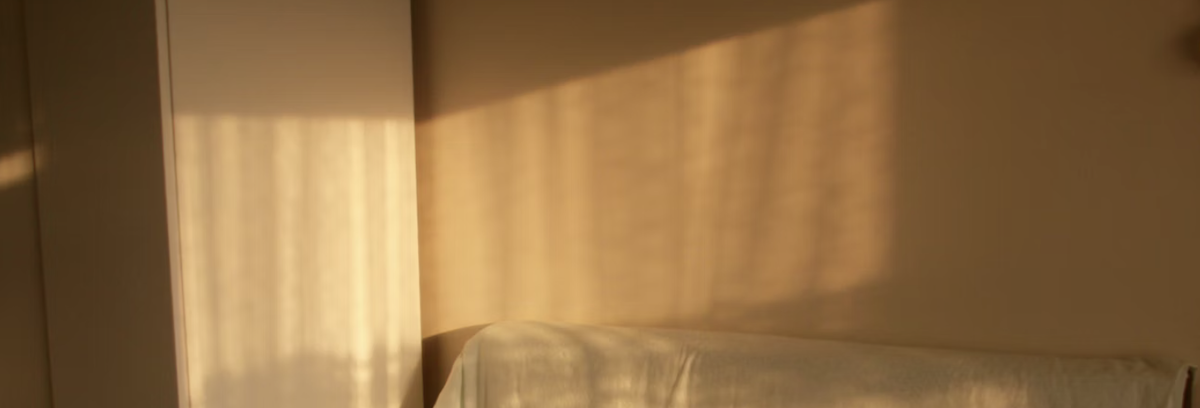
There are mornings when I wake and notice the light before I move—steady, ordinary light, unchanged, but for the way I see it.
I am 75 now. The number feels both factual and implausible—real enough in my body, less so in my mind. My age lives in the joints, in the mirrors, in the way I rise from a chair more carefully than before, but it does not live in curiosity.
I find myself wondering, not what remains to be done, but what remains to be felt. I have passed through the recognized shapes of living, marriage, raising a daughter, and the making and unmaking of homes. Gardens planted, left behind. Cars bought, sold. I know these rituals of motion and ownership; they have served their time.
Words are the way I signal back to the world—a soft tapping on the glass.
But what of wonder? Does it age alongside the body, or does it remain just beyond reach, waiting for me as it always has? Steady, unaltered, patient at the edge of light? Some mornings I think it wakes before I do: a slight shift in the air, a sense that the room holds its own faint expectancy.
I don’t believe wonder leaves us. It may grow quieter, but it remains alert. The day is smaller now, yet still abundant. The light moves across the walls as though testing my attention. My dog lies nearby, content to be part of the stillness. I still want to live—not in the way of prolonging time, but of participating in it; to be here while I can, aware of what the world continues to offer.
Some mornings, that conversation is literal. The plants in the window boxes lift their leaves toward the cold glass as if they know I am watching. The tips of bulbs have begun to show—small declarations of intent in November’s light. Nature has always moved me, not for its prettiness but for its endurance—that cellular intelligence that keeps finding form, light, and purpose.
I have long admired evolution as a quiet kind of magic: pragmatic, unsentimental, yet endlessly inventive. To observe it now is to feel kinship—a recognition that I, too, am part of this long, adjusting story.
Writing, for me, remains another form of survival. Words are the way I signal back to the world—a soft tapping on the glass. Sometimes I write only a few sentences, but they tether me, and the room seems to breathe differently once they exist. It’s as though language, once spoken or written, hovers for a moment in the air, invisible yet charged.
What astonishes me most is how beauty continues to appear, without purpose or permission.
There are days when acceptance comes easily. The simple act of making tea feels like proof enough, the steam rising from the cup, the way the spoon rings lightly against the edge. Outside, the trees sway. A bird lands, undecided, on the railing. I watch without naming it, and the moment seems to hold itself still, aware of being seen.
Other days are less forgiving. The body protests; memory replays its old, uneven reels. Yet even then, I sense an unseen patience, something that hums just below the surface—the earth, perhaps, or the residue of countless mornings that have carried me here.
Living at 75 is no longer about pursuit. It is about attention: to pain, to comfort, to the small astonishments that still occur.
Meaning, I’ve come to believe, does not need to be created. It already circulates, like a pulse under the skin of things. I recognise it the way one recognises a scent carried unexpectedly on a breeze. It’s there in the veins of a leaf, in the quiet weight of my dog’s head on my knee. We are witnesses as much as participants.
What astonishes me most is how beauty continues to appear, without purpose or permission. The first breath of cold in late winter, the small ache of writing something true, the sight of those bulbs pushing through the soil in November. These are not revelations; they are reminders that the world continues to perform its quiet miracles, whether I am watching or not.
And yet, I believe there are things I will never tire of: the first notes of a bird’s song at dawn, the scent of a new book as I turn its pages. These are the small proofs that curiosity still lives, that attention still stirs.
Perhaps this is what it means to live now—to meet the day as it comes, unadorned and unafraid, and to know that even now, even after so much, I can still be moved by what exists beside me: the frost on glass, the turning of leaves, the indifferent persistence of life itself.