
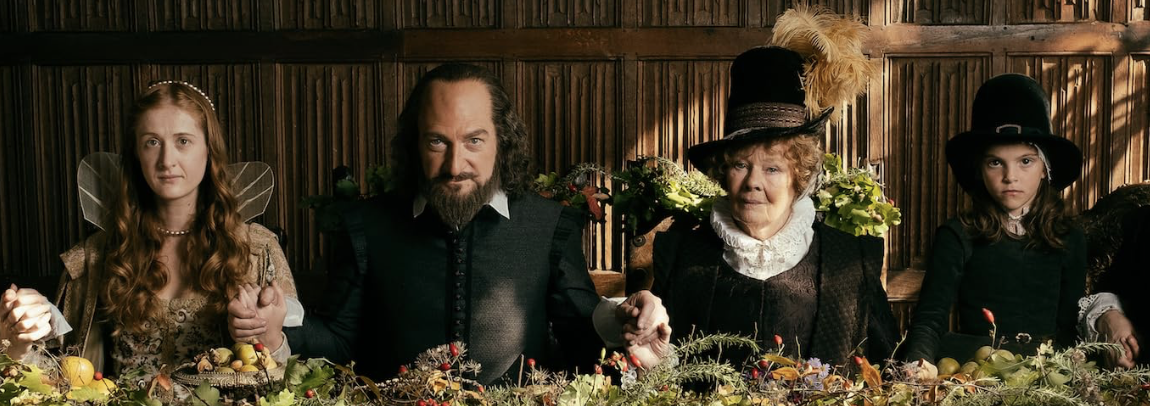
The current film Hamnet is resonating with critics and audiences alike in its searing depiction of tragic loss in the life of William Shakespeare—and how that event inspired what is arguably his finest work.
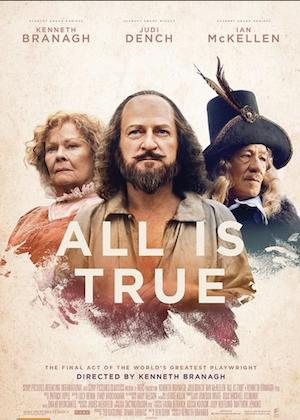 Admirers of the movie might find an interesting companion piece in a little-known 2018 British film I only discovered this week on Amazon Prime.
All Is True, directed by and starring Kenneth Branagh, is somewhat of a sequel to Hamnet, despite being produced seven years earlier.
Branagh, long associated with Shakespeare across many films and plays, stars in the title role as the playwright in the twilight of his life. He returns home to Stratford-on-the-Avon after the famed Globe Theatre burns down in 1613 during a performance of Henry VIII (“All Is True” is an alternate title of the play).
Shakespeare comes back to his long-neglected wife Anne Hathaway (Judi Dench) and his daughters Susanna (Lydia Wilson) and Judith (Kathryn Wilder) after having spent most of his time working in London.
But this is a different William Shakespeare: no longer writing, occupying his time with gardening, and forced to spend time attending church. Still wrestling with the loss of his only son, Shakespeare desires a male heir more than anything.
Young Hamnet, the favored one, is a constant presence throughout the story, fueling resentment among his surviving sisters.
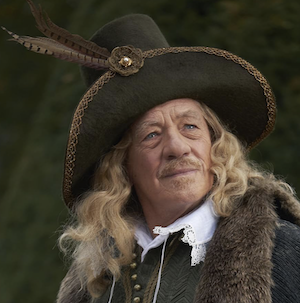 At one point, the great British actor Ian McKellan, playing the Earl of Southampton, pays an all-too-brief visit to Shakespeare. Historians have long suggested a romance between the two men—that, in fact, Shakespeare’s 154 classic sonnets were inspired by this relationship. I’ll take no side in that debate, but watching these two great actors together is a highlight of the movie.
Of course, with both Hamnet and All Is True, you must remember that we know factually very little about the Bard. So much over the years has been open to conjecture and speculation.
With this film, screenwriter Ben Elton gives us a fascinating take on the relationship between Hamnet and his twin sister Judith, and what Shakespeare’s final years might have been like.
And, for people who were moved by Hamnet, you can experience one interpretation of what eventually happens to the characters.
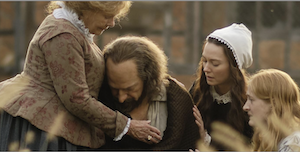 I will not compare the two movies, other than to suggest All Is True is an interesting and provocative sequel. Branagh certainly does Shakespeare justice, and there is a strong feminist undercurrent in how the three women eventually find their voices in a male-dominated, puritanical culture.
All may not end well. It rarely does. But to see, or not to see? Not a question for me. I admired All Is True on many levels. I recommend it for fans of Shakespeare and those curious about the man behind the great plays. Catch it after you’ve seen Hamnet (still playing at the Palm Theatre).
In this case, the past does become prologue for a man facing the consequences of choices he made in life.
Editor’s Note: All Is True is available free on the Roku Channel and for rent/purchase on Amazon Prime.