
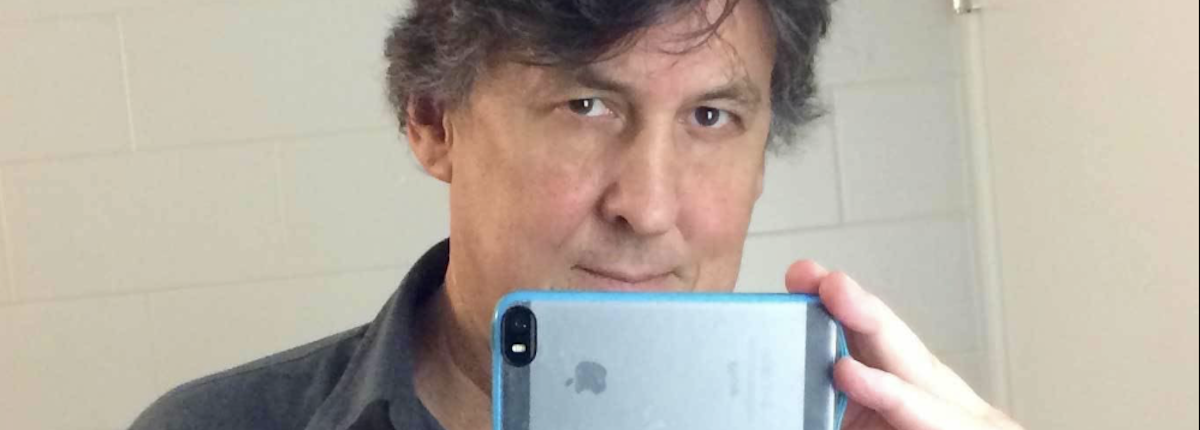
Cameron Crowe wrote his first Rolling Stone cover story at the age of 15. By 21, he considered himself a “has been” as a rock music journalist.
In between, Crowe managed to inhale and chronicle the musical landscape of the 1970s: Bowie, Dylan, The Who, The Eagles, Led Zeppelin, The Allman Brothers, Kris Kristofferson, Joni Mitchell and Fleetwood Mac all faced his ever-present tape recorder and persistent questions.
Then Hollywood came calling and Crowe reinvented himself, first as a screenwriter and then movie director. Fast Times at Ridgemont High, Say Anything, Jerry McGuire all sprung from his mind, culminating in 2000’s classic Almost Famous, for which Crowe won the Oscar for Best Original Screenplay. He was 43.
Since then (well, to be kind) Crowe seems to be on a downward spiral with movie misfires like Elizabethtown, We Bought a Zoo, and the head-scratching mess that became Aloha. He created a streaming series on Showtime that was cancelled after one season. A Broadway musical, based on Almost Famous, closed after only 77 performances.
 The once-wunderkind, um, kind of left us wondering. What exactly happened to Cameron Crowe?
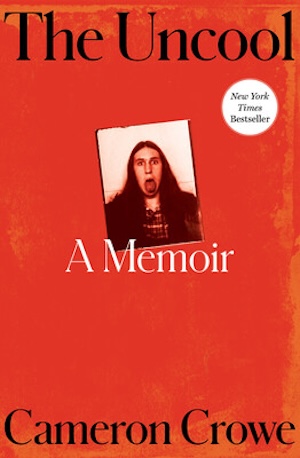
By any measure, Crowe has lived an extraordinary, even envious, professional life, and those early years are captured in a page-turning new memoir, The Uncool. The title is inspired by a conversation Crowe once had with legendary music critic Lester Bangs about needing to be “uncool,” the outsider, and being authentic in writing about music and rock musicians.
The book is a must for any rock music lover of the ’70s. Crowe certainly lived the life: shadowing David Bowie for 18 months, sharing a house in the Hollywood Hills with Glenn Frey and Don Henley while they were creating their best Eagles songs, being confronted after midnight by an angry Greg Allman in a moment that threatened Crowe’s burgeoning career.
All before the kid even had a driver’s license.
If you’ve seen Almost Famous, you already have a sense of the memoir. Like the young teen in the movie, Crowe grew up in San Diego, had an overly protective mother and a rebellious older sister, and started his journalism career at 14. And Lester Bangs did play a pivotal role in Crowe’s development as the young journalist made his mark quickly and fiercely.
But the movie leaves out any references to a second sister, the one who died by suicide. Her presence is constant as Crowe traces his early years. And his mother, Alice, bursts across the pages, highly opinionated and very concerned about her son’s descent into the rock music world—constantly warning him not to do drugs.
She’s a true force of nature, but Alice disappears for large chunks during the middle of the book. She’s missed, but plays a pivotal role in the final chapters.
Those of us more interested in Crowe the filmmaker than his journalist counterpart will be disappointed by how little time is spent on his movies.”
Some quibbles, respectfully, to consider. On page 144, Crowe refers to the death of the rising singer/songwriter Jim Croce from a plane crash. In Tennessee. You may have heard me screaming that night. “No! Croce died in Louisiana! The plane crash was in Louisiana!” Even I knew that. How could the preeminent rock journalist of the ’70s not remember?
And those of us more interested in Crowe the filmmaker than his journalist counterpart will be disappointed by how little time is spent on his movies. He constantly references Almost Famous but offers no details about how the movie came to be.
In contrast, the stories behind Fast Times at Ridgemont High are hilarious, particularly around how Sean Penn created his infamous character of stoner Jeff Spicoli. But Say Anything and Jerry McGuire are ignored, suggesting Part Two may be in Crowe’s future. Please.
I didn’t read The Uncool; I devoured it.”
My favorite story from Crowe is about movies and not music. He’s made the transition to screenwriting and has his own office on the lot. Crowe goes in on a Saturday night at 10 p.m. to work. One other car is in the lot.
Writer-director John Hughes (The Breakfast Club, Pretty in Pink, Sixteen Candles) is upstairs working on multiple scripts. The two writers are the only ones in the building. I nodded my head in understanding.
I’d rather have more of these stories than the time Crowe devotes to his doomed Broadway musical version of Almost Famous. But the event bookmarks how he chooses to open and close his story and the ending does pack an emotional wallop, so we’ll leave all this merely as quibbles.
I didn’t read The Uncool; I devoured it. Those who came of age in the ’70s know this music, these musicians. Crowe may have drifted as a filmmaker (word has it his next project is a biopic about Joni Mitchell), but he reminds us with this memoir what so many editors saw at such an early age. The kid can write.
The Uncool is the perfect holiday gift for anyone who wants to remember—or discover—that amazing era.
Now excuse me. I have to go watch Almost Famous again.