
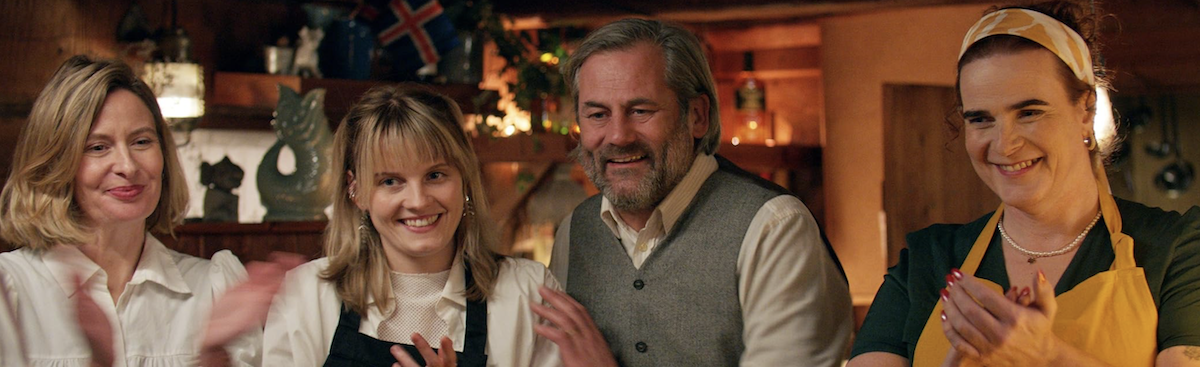
Transgender narratives in popular media tend to have one trait in common: glamour.
Of course, there is nothing wrong with glamorous portrayals. Shows like Pose and Euphoria represent the beauty on the other side of trauma through glitz and fashion. Odd Fish, however, is not a film concerned with glamor.
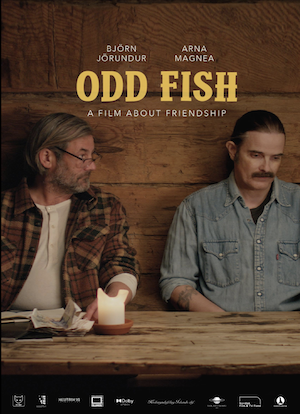 Playing at the 2026 Cambria Film Festival, Odd Fish tells the tale of Birna (Arna Magnea Danks) and Hjalti (Björn Jörundur Friðbjörnsson), two best friends struggling to keep their fish restaurant open through the harsh Icelandic winter.
Their friendship is rattled when Birna unexpectedly comes out as a transgender woman. Hjalti, a maritime historian with a habit of romanticizing the past, struggles to understand, or even accept, Birna’s transition. This rift distresses both lifelong friends and serves as the emotional crux of the film.
Birna envisions a glamorous life where she can share her passion for cooking with the people she loves, all while being authentically herself. Like Odd Fish itself, Birna’s dream is simple and earnest. This makes it all the more powerful.
Birna is the beating heart of the film. She is a complex character: steadfast yet unpredictable and mature yet often crude. Birna’s transgender identity is essential to her experiences, but it never functions as the totality of her character.
Danks performs exceptionally in the role of Birna. A scene where she opens up to her dying father is absolutely heart-rending, successfully imparting sorrow and hope to the audience.
This turmoil makes Birna’s unwillingness to change for anyone all the more admirable.
Hjalti tries to convince Birna to dress in masculine clothes for some snobbish Danish visitors (a cultural stereotype new to many Americans), but Birna stands firm and refuses to present herself differently for the possibility of career success.
She is not unwavering for the sake of mere stubbornness. She has gathered the courage to exist authentically from a lifetime of hiding and regret.
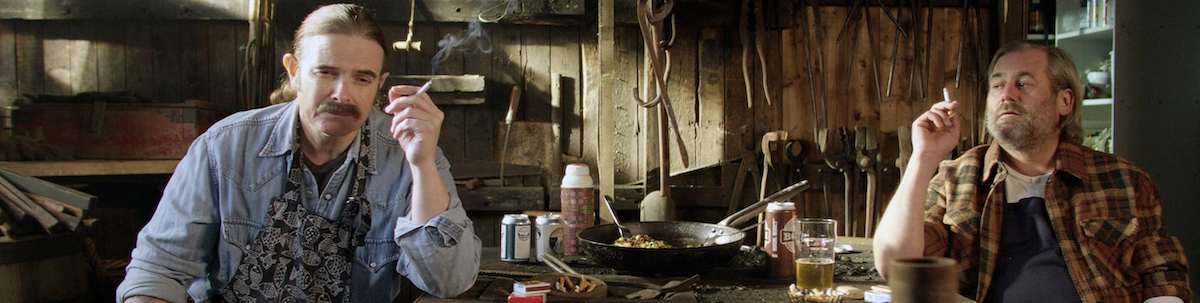
Directed by Snævar Sölvason from a script by Sölvason and Veiga Grétarsdóttir, Odd Fish does not ignore the cruelty that transgender people face in the modern world, but focuses on the types of ignorance that stem from fear rather than hatred. Hjalti dismisses Birna’s transition because he processes all change as loss. His reverence for the past leads him to dread a confusing future.
However, at no point does Friðbjörnsson’s empathetic portrayal of Hjalti undermine the pain that he causes the people in his life. Hjalti is surrounded by people who love him. It is his decision whether or not to accept the people in his life or cling to the world he thinks they are leaving behind.
Friðbjörnsson plays Hjalti’s inner conflict with impressive nuance, allowing the audience to sympathize with and relate to him, even if they disagree with his actions.
In addition to the acting and writing, Birgit Guðjónsdóttir’s cinematography is impressive. The 104-minute film takes full advantage of the sweeping Icelandic seascapes, taking time to set the audience firmly in the world of the film.
The music by Mugison is subtle yet effective. It complements the emotion of any given scene, from tension to joy. This is important in a film where the primary stakes are emotional, with few external stressors driving the plot.
Odd Fish gives audiences a beautiful character piece, driven by heart and hope for a kinder world.
Editor’s Note: Odd Fish, sponsored by Ed & Judy Stokely, is one of eight full-length films to be screened during the ninth annual Cambria Film Festival February 4-8.